
Nashville house tinting
Home Window Tinting in Nashville
Tinting a house is less about one film and more about a plan. In Nashville that plan usually starts on the west and south sides, where the summer sun does its damage, and works around the house from there.
 Nashville
How a Nashville House Tinting Plan Is Put Together
We walk the house with the compass in mind. West glass takes the hardest hit from about two in the afternoon until sunset between May and September, and in a Tennessee summer that is when the house is already at its warmest. South glass gets strong sun too, but roof overhangs shade much of it in midsummer when the sun rides high. East windows catch the morning, which matters for bedrooms and breakfast rooms. North glass rarely needs anything for heat.
Once the exposures are mapped, each window gets a job. The great room facing the backyard might get a selective heat film, the front bedroom a lighter UV film so the street view of the house stays consistent, and the bathroom a frost. Writing that out window by window keeps the budget on the glass that actually causes problems.
Window Tinting for Older Nashville Homes With Original Glass
In Sylvan Park, East Nashville and 12 South, many houses still have their first windows: tall wood double-hungs, transoms, and in some Victorians a bay of three narrow sashes. That glass is usually single-pane and annealed, and it often has slight waves that owners want to keep. Clear films let the window look untouched from the sidewalk while cutting UV and some heat.
Old glass also comes with old glazing putty and the odd cracked pane. We look at every lite before quoting and flag the ones that should be reglazed or replaced first. Storm windows are common on these houses, and film goes on the interior prime window, not the storm.
Tinting Newer Homes in Nolensville, Hendersonville and the Suburbs
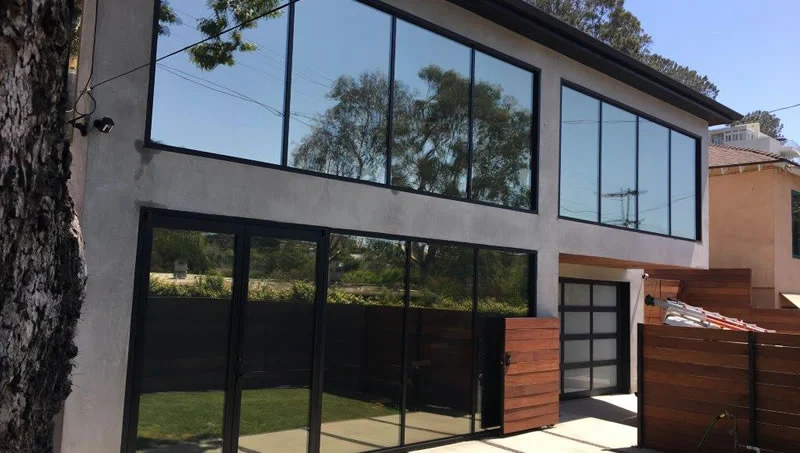
Newer houses across the suburban ring come with vinyl or clad windows, dual-pane glass and usually a factory low-E coating. That glass already blocks some heat, so the right film is one that adds to it without overloading the unit. The window maker's warranty often addresses aftermarket film, and we read the specific product guidance before recommending anything for a Nolensville or Hendersonville build.
Open lots and young trees mean these homes see more direct sun than their in-town cousins. Two-story foyers, rear walls of glass and bonus rooms over the garage are the usual trouble spots. Lake homes near Old Hickory get reflected glare off the water as well.
HOA Rules and Historic Overlays for Nashville Home Window Tinting
Many subdivisions in Williamson, Rutherford and Sumner counties have architectural guidelines, and a few mention window tint directly. The usual concern is mirror-like reflective film that changes how a house looks from the street. Low-reflectance films avoid that problem, and we send spec sheets and a sample for any committee review.
Inside Metro Nashville, houses in a historic preservation or conservation overlay are reviewed by Metro Historic Zoning for exterior changes. Interior film generally leaves the window unchanged, but it is worth a quick check with staff before starting on a house in Edgefield, Lockeland Springs or another overlay district.
What Home Window Tinting Does for a Nashville House
Even Room Temperatures Across a Nashville Home
Cutting the solar load on the sunniest sides narrows the gap between the hot west rooms and the rest of the house. The thermostat stops chasing one room all afternoon, and the upstairs feels closer to the downstairs on a July evening.
UV Fade Protection for Floors and Furniture
Every film we install for homes blocks nearly all ultraviolet light. Heart pine and oak floors, rugs, leather and artwork hold their color much longer, which is often the reason owners of older Nashville houses reach out in the first place.
Daytime Privacy From Streets and Close Neighbors
Light reflective and frosted films stop passersby and the house next door from seeing in during the day. On infill lots where side windows sit a few feet apart, that is often the most valued change in the whole project.
Glass That Holds Together When It Breaks
Thicker safety films on doors and ground-floor glass keep a broken pane in one sheet. That reduces injuries from shattered glass after a storm or a thrown object and makes a quick entry through the window far harder.
Home Window Tinting Questions From Nashville Homeowners
Should every window in the house get tinted?
Rarely. A typical Nashville project covers the west and south glass, a sunroom or bonus room, and any privacy windows. North-facing glass often needs nothing. We recommend what each window needs and leave the rest alone.
What affects the price of tinting a whole house?
Film type, total glass area, number of separate panes and access. Divided-lite windows and two-story foyer glass take longer to install. Send window sizes through the quote form for a real quote.
Will home tinting make my house look dark from outside?
Not with the films most homeowners choose. From the curb, low-reflectance and selective films are hard to tell from bare glass. Darker films are available if you want more privacy.
Can tint be removed later?
Yes. Residential film can be steamed and peeled off, and the glass is cleaned of adhesive. That makes it a reversible change on older houses where the original windows matter.
How soon can I clean the windows after tinting?
Give the film time to cure first. That is a few days in hot, sunny weather and can stretch to several weeks in a cool, damp spell. After that, a soft cloth and ammonia-free cleaner are all it needs.
Window film quote
Plan Your Nashville Home Window Tinting Project
Walk the house, jot down the rooms and windows that bother you, and put that list on the quote form along with measurements and the direction each room faces. We will send back a window-by-window plan and price.