Less squinting, Nashville
Glare Reduction Window Film in Nashville
Glare is the reason blinds stay closed in a lot of Nashville rooms that were designed for light. Glare reduction film cuts the brightness at the glass so screens are readable and the view stays open.
 Nashville
Home Office Glare From Nashville Windows
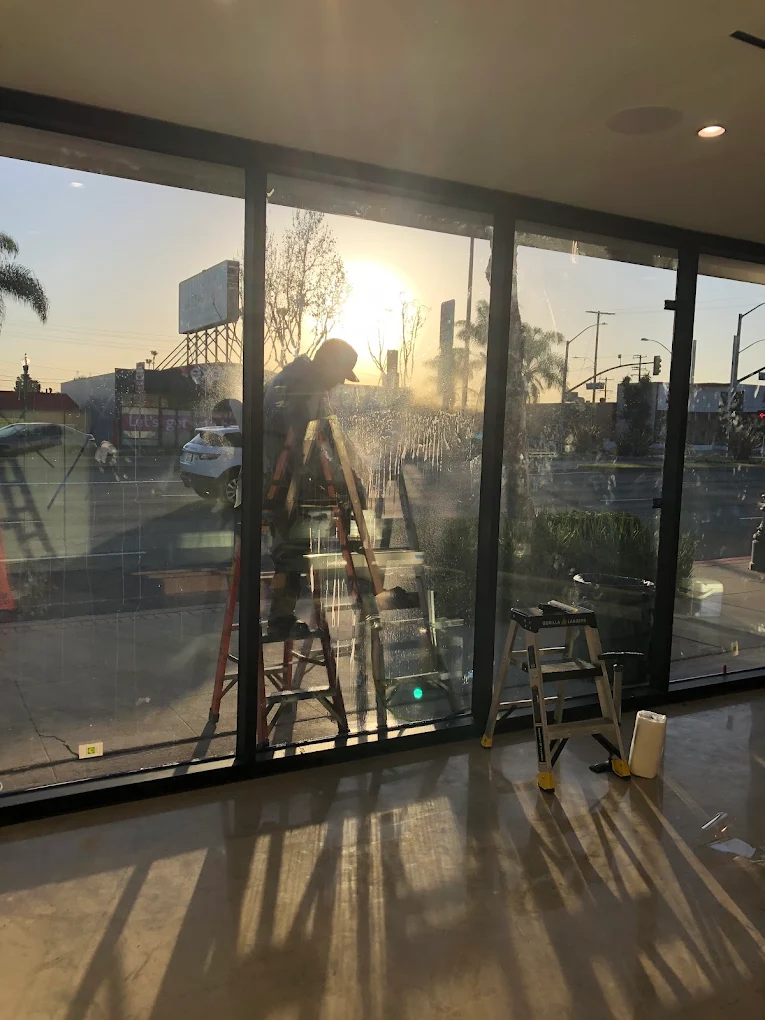
Plenty of Nashville households now have at least one person working from home, often at a desk squeezed into a guest room or the end of a dining table that was never planned as an office. The desk ends up facing a window or with the window behind it, and for part of the day the monitor is unreadable or the person on the video call is a silhouette.
Low-angle sun in the morning and late afternoon causes most of it. East-facing offices suffer early, west-facing rooms suffer after three o'clock. Cutting the daylight at the pane by a moderate step brings the window closer to the brightness of the monitor, and the eye stops fighting the contrast.
Glare Control for Media Rooms and Bonus Rooms
Bonus rooms over the garage in Brentwood, Mount Juliet and Spring Hill subdivisions often double as media rooms, and the TV wall is frequently opposite a window. Afternoon sun bounces off the screen and washes out the picture. A darker glare film on that window, sometimes paired with shades, makes the room usable for daytime viewing. Game consoles, projectors and big screens all suffer the same way, and parents notice it first when the kids give up and close every blind.
Home studios have a similar problem. In a city full of working musicians and engineers, more than a few spare rooms hold a mixing desk and a pair of monitors, and glare on the computer screen is a daily annoyance.
Lake Glare on Old Hickory and Percy Priest Homes
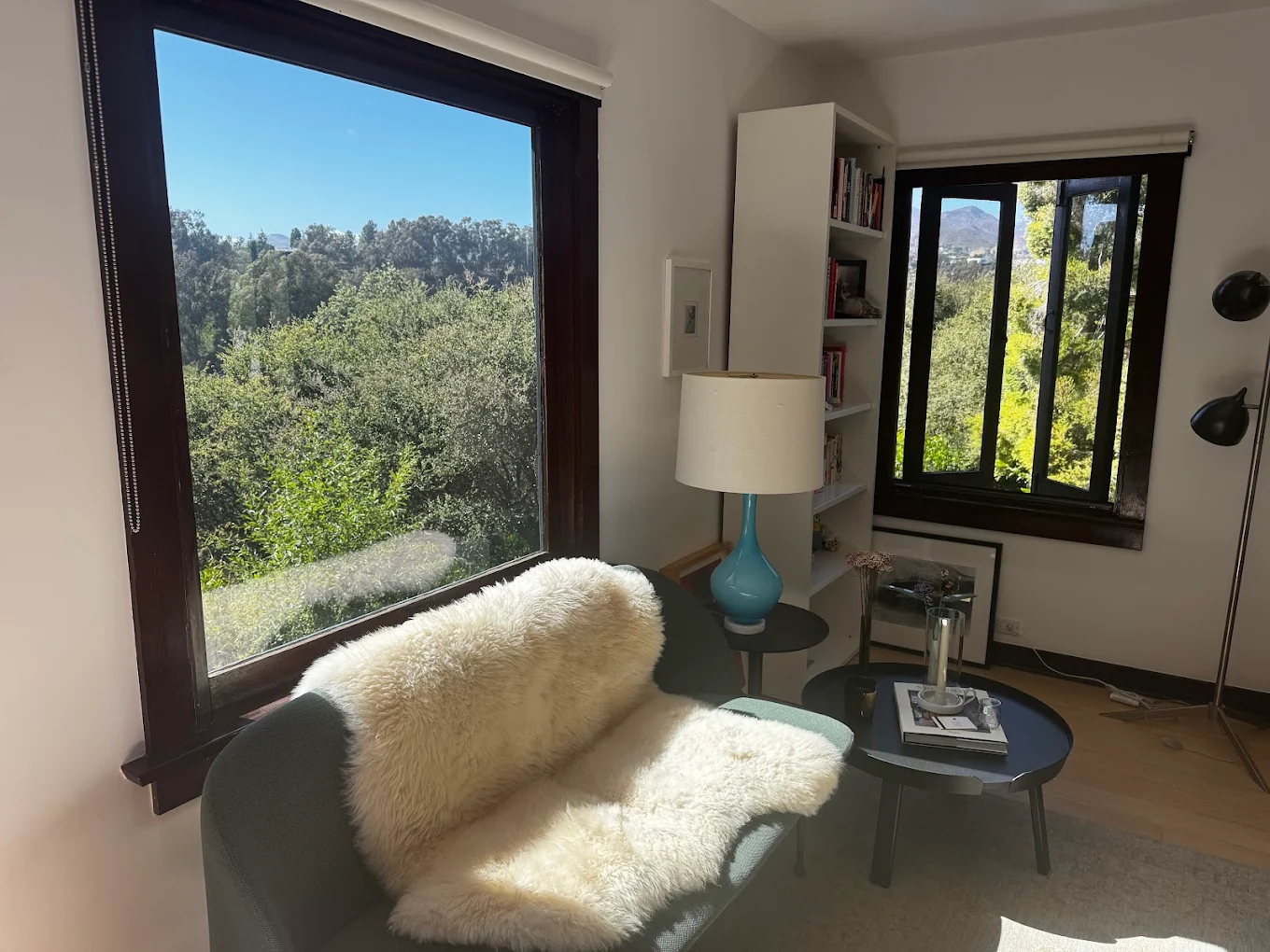
Homes along Old Hickory Lake in Hendersonville and Gallatin, and near Percy Priest Lake on the east side of the county, take a double dose of glare, once from the sky and again bouncing up off the water. Reflected glare is often worse because it comes in at a low angle and fills the room.
Lake homes usually want to keep the view, so the film has to cut brightness without tinting the water a strange color. Neutral gray and light reflective films are the usual choice. We put samples on the actual lake-facing glass at the time of day the glare is worst.
Glare Film for Nashville Condos and Sunrooms
Upper-floor condos in the Gulch, downtown and Midtown have glass on one or two full walls and nothing to block low sun. Glare there is as much a comfort issue as a screen issue: people describe sitting in their own living room in sunglasses. Light neutral film approved by the building takes the brightness down a step without changing the facade.
Sunrooms and enclosed porches on older houses in Green Hills and 12 South are the other classic case. With glass on three sides, there is no wall to turn away from. A light film on the west and south panes usually makes the room comfortable for a morning coffee and an afternoon book.
Choosing the Right Level of Glare Reduction Film
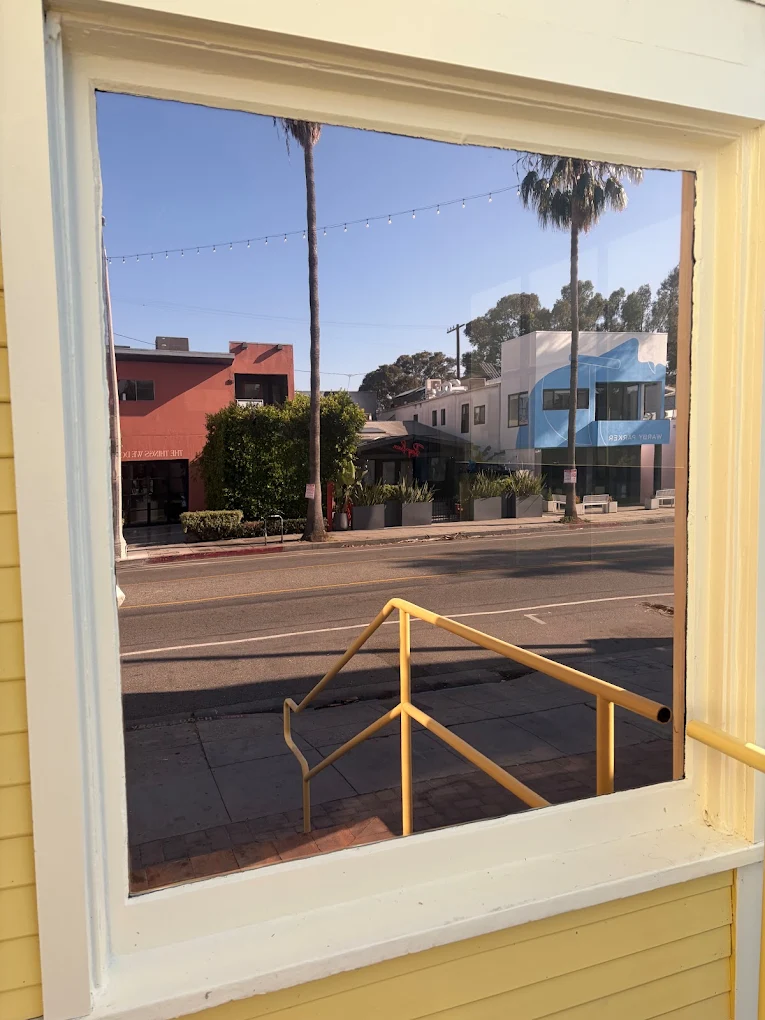
Each glare film carries a visible light transmission number, and the choice comes down to that figure. At the high end, a light film keeps the room bright and only takes the edge off. A medium film handles most home offices. A dark film is for media rooms and windows with direct sun on a screen. Going darker than needed makes the room gloomy on cloudy days, which Nashville gets plenty of in winter.
We usually recommend testing two levels on the problem window before committing. The difference between a film that is right and one that is too dark is easy to see on site and hard to judge from a catalog.
- Light films for bright rooms with mild glare
- Medium films for home offices
- Dark films for media rooms
- Neutral films for lake and view windows
Glare Reduction Film Results in Nashville Rooms
Readable Screens Near Sunny Windows
Once the window is a notch dimmer, a spreadsheet or a ballgame on the screen keeps its contrast, and nobody has to choose between seeing the display and seeing outside.
Glare Film That Keeps the View
Neutral glare films reduce brightness without hiding the yard or the lake. You keep the window and lose the squint.
Less Eye Strain in Home Offices
When the window and the monitor sit at similar brightness, eyes tire less by late afternoon, a difference people in east and west rooms notice first.
Heat and UV Control With Glare Film
A glare film is still a solar film, so it trims some heat at the glass and stops nearly all ultraviolet. The room runs a little cooler and the rug fades more slowly.
Glare Film Questions From Nashville Homeowners
Will glare film make my room too dark on cloudy days?
It can if you pick a film darker than you need. We test light and medium options on site so you can see the effect before choosing.
Does glare film change the color of the view?
Neutral films keep colors close to natural. Some reflective films add a slight tint. We show samples against your actual view.
Can I see out at night with glare film?
Yes. Light and medium films barely affect the night view. Reflective films can show some reflection of the room at night when lights are on.
Should I buy glare film or heat film?
The categories overlap. Glare films focus on visible light, heat films on infrared. Many products do both to some degree, and we choose based on your main complaint.
Glare Reduction Window Film Service Areas in Nashville
Window film quote
Ask About Glare Reduction Window Film in Nashville
Tell us which room, which screen and what time the glare is worst. Add rough window sizes and their direction on the quote form, and we will suggest a film level.