Scratch and tag shield, Nashville
Anti-Graffiti Film in Nashville
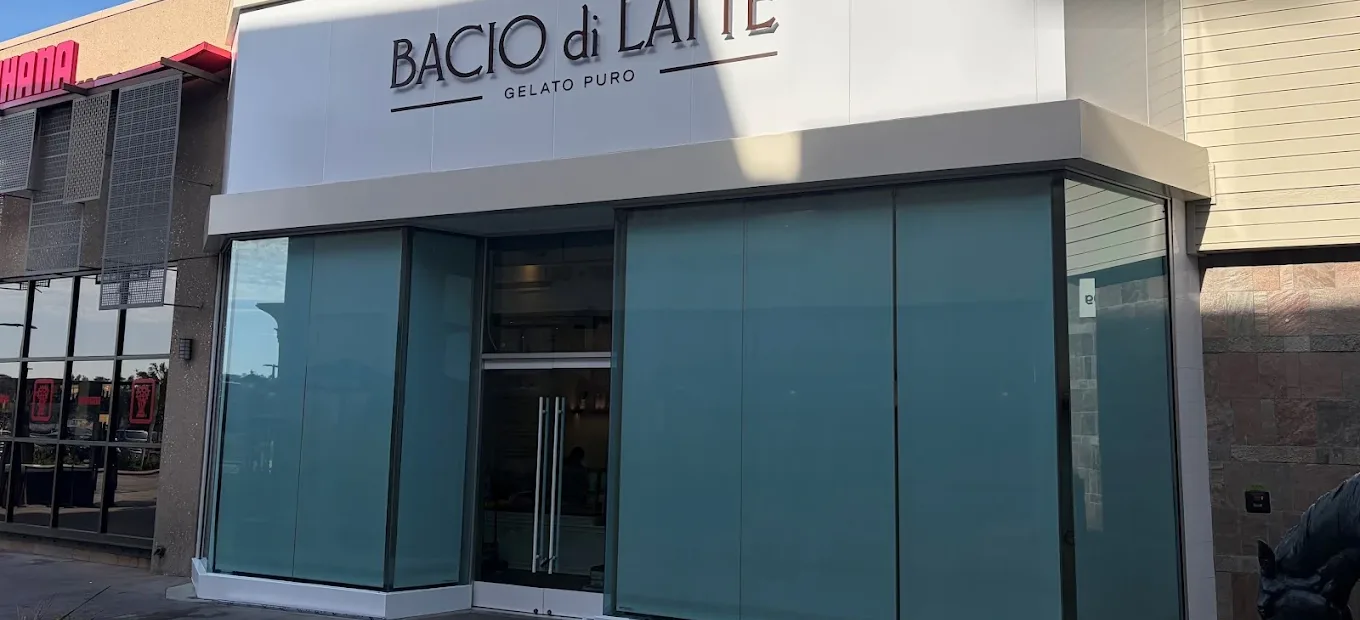
A tag scratched into a storefront pane with a key or a chunk of ceramic cannot be wiped off. With anti-graffiti film on the glass, the vandal ruins a cheap replaceable layer, and the pane behind it comes through clean.
 Nashville
What Anti-Graffiti Window Film Is and Why It Works
Think of it as a screen protector for a building. The film is a clear, hard-surfaced polyester sheet mounted on the street side of the pane, where vandals do their work. Spray paint and paint markers sit on top of it and often come off with the right cleaner. Scratches, keyed initials and the frosty burns left by etching cream go into the film and stop there.
When a section is damaged beyond cleaning, a technician scores the edges, peels that piece away and lays a fresh one in its place. The storefront never goes dark, nobody waits on a glass order, and there is no plywood in the window for a week. On large or custom panes, the difference in cost between a new sheet of film and a new sheet of glass is substantial.
Glass Graffiti Hot Spots Around Nashville
Glass tagging follows foot traffic and late hours. Downtown streets near Broadway and Second Avenue, Church Street, the blocks around Midtown's bars on Division and Demonbreun, and Gallatin Avenue and Main Street in East Nashville all see it. Ground-floor glass on apartment buildings, parking garage stair towers and bus stops along major WeGo routes are other common targets.
Inside, the same thing happens where people are briefly alone: restroom mirrors in restaurants and bars, elevator cab glass, and stairwell windows in garages and office buildings. Film on a bar restroom mirror pays for itself the first time somebody carves a name into it.
- Street-level storefront panes
- Glass entry doors to apartments and offices
- Restroom mirrors in bars and restaurants
- Elevator cabs and garage stair towers
Anti-Graffiti Film as a Maintenance Line for Nashville Property Managers
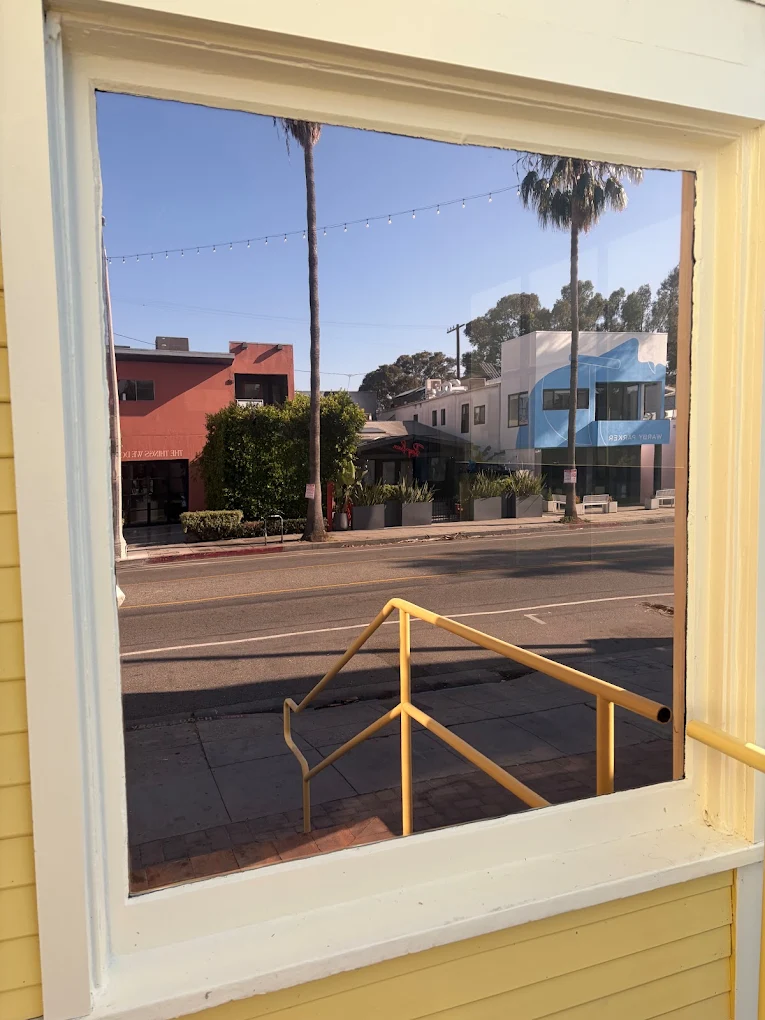
For anyone managing ground-floor retail, vandalized glass is usually an unplanned expense: a work order, a glass shop quote, a temporary board, and an unhappy tenant. Film turns that into a predictable maintenance item. Damaged panels are replaced on request or on a set schedule, and the budget line stays steady from year to year.
Most owners start with the panes that get hit most, often the corner glass and anything near a bus stop or alley, then add more as needed. Because the film is clear, retail tenants do not object and the facade looks unchanged. We keep a record of panel sizes so replacement pieces can be cut ahead of a service visit.
Film Gauges and Add-Ons for Nashville Anti-Graffiti Projects
Thicker sacrificial films hold up to deeper gouges and usually go longer before a panel needs changing. Thinner versions cost less up front and suit glass that only sees occasional marker. Some anti-graffiti products also carry solar control or UV blocking, which is useful on a storefront that faces west and fades its window display every summer.
On a new build or a storefront renovation, it makes sense to install the film before the tenant opens, while the glass is clean and the sidewalk is still fenced. On existing buildings, we work early in the morning before shops open so the sidewalk is clear.
Cleaning and Caring for Anti-Graffiti Film
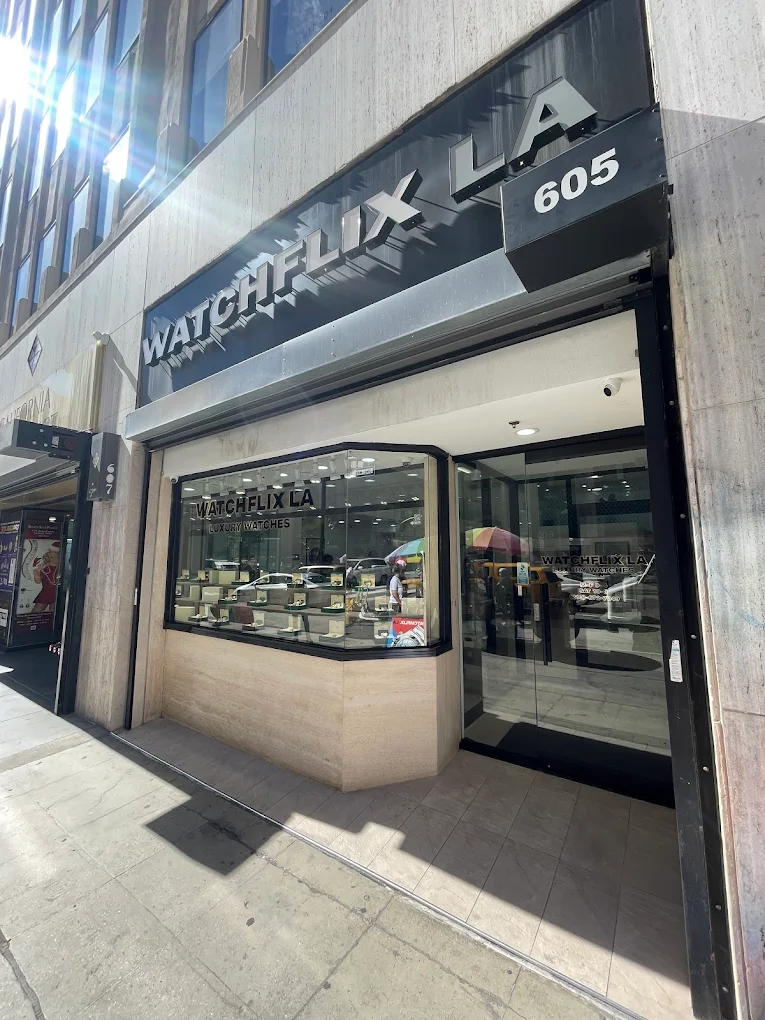
Day to day, the film is cleaned like glass with a soft squeegee and mild soap solution. Paint and marker come off best with the cleaners the film maker approves; harsh solvents can cloud the surface. Scrapers and steel wool are off limits on any film, including this one, so the building's window cleaners should know where it is installed.
We leave a care sheet for the cleaning contractor and a marked plan showing which panes are filmed. That avoids the most common problem we see: a well-meaning crew scraping a protected pane and damaging the film in the process.
Anti-Graffiti Film Results for Nashville Owners and Tenants
Lower Cost Than Replacing Etched Glass
A keyed or etched storefront pane often has to be replaced outright. A sheet of sacrificial film costs a fraction of that, and installing it does not require a glazier or a lift for most ground-floor glass.
Same-Visit Anti-Graffiti Film Replacement
A damaged panel is usually swapped in a single short visit. The shop stays open, there is no plywood over the window, and customers barely notice anything happened.
Invisible Film on Nashville Storefront Glass
The film is optically clear and sits flat on the pane. Displays, signage and the view into a restaurant look exactly as they did before, which keeps retail tenants and landlords happy.
Steady Glass Vandalism Budgets for Property Managers
Turning surprise glass orders into scheduled film replacement gives managers a known annual cost and fewer emergency calls, especially on buildings with a lot of street-level glass.
Nashville Anti-Graffiti Film: What Owners Ask
Does spray paint come off anti-graffiti film?
Frequently, using a cleaner approved by the film maker. Scratches and etching are permanent in the film, so those panels get replaced instead of cleaned.
How often will the film need replacing?
Replacement frequency tracks vandalism, not age. A pane that is never touched can go years. A corner by a late-night bus stop may need new film several times a year.
Will customers be able to tell the film is there?
Almost never. It is clear, thin and flat. From the sidewalk, a filmed storefront looks like any other clean glass.
Can restroom mirrors be protected the same way?
Yes. Mirrors in bar and restaurant restrooms are one of the most common indoor uses, along with elevator cab glass.
Window film quote
Protect Nashville Storefront Glass With Anti-Graffiti Film
List the panes that get tagged or keyed, how often it happens and roughly how big they are. Put that on the quote form and we will size a film and a replacement plan.